
Owning a home is often heralded as the ultimate milestone of adulthood—a rewarding investment that offers a sense of stability, personal autonomy, and long-term security. It is the cornerstone of the “American Dream.” However, lurking beneath this polished surface of pride and curb appeal are hidden costs that can significantly impact a homeowner’s financial health. While most buyers budget for a mortgage, property taxes, and insurance, many fail to account for the silent erosion of their bank accounts caused by structural deterioration. Understanding these expenses by examining common home issues will reveal how seemingly small problems can escalate into substantial monetary burdens if left unchecked.
The Costly Consequences of Basement Mold
Basement mold is a pervasive issue that many homeowners face, often without realizing how common it truly is. Studies suggest that a staggering 38% of homes in the United States are susceptible to mold damage in basements. This is largely due to the fact that basements are subterranean, making them natural collection points for moisture whether from hydrostatic pressure in the soil, internal plumbing leaks, or poor ventilation.
Mold is a dual threat: it not only compromises the structural integrity of organic building materials like drywall and wooden studs but also poses serious respiratory health risks to the home’s occupants. Ignoring early signs—such as a musty odor or slight discoloration in the corners of a room—can lead to catastrophic financial consequences. Mold thrives in humid, dark conditions, making detection a challenge for the untrained eye. Addressing mold issues promptly through dehumidification and professional sealing can save homeowners thousands of dollars in remediation costs, which often involve tearing out walls and professional-grade air scrubbing.
In addition to health and structural implications, mold can be a “deal-killer” during the resale process. Prospective buyers and home inspectors view visible mold as a major red flag, often demanding steep price concessions or expensive professional remediation before a sale can proceed. Therefore, regular moisture inspections are crucial in averting the hidden, compounded costs associated with infestations.
Roof Repairs: A Frequent and Expensive Undertaking
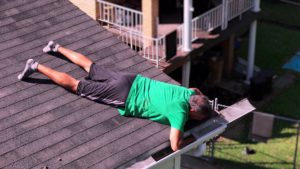
The roof is a home’s primary line of defense against the elements, yet it is often the most neglected component until a leak appears. It is alarming to note that every year, according to RubyHome, approximately 33% of roofs require significant repair or replacement due to the impacts of severe storms, hail, and high winds. This high turnover rate underscores the reality that a roof is not a “set it and forget it” feature; it is a wear-and-tear item with a finite lifespan.
Regular maintenance, such as cleaning gutters and replacing individual missing shingles, can extend a roof’s life by years. However, neglect exacerbates damage. A single missing shingle or a minor leak around a chimney flashing might seem trivial, but during a heavy rainstorm, these openings allow water to seep into the attic and insulation. This leads to rot and, eventually, the very mold issues mentioned previously.
The financial strain of roofing repairs can be substantial. While a minor patch job might cost a few hundred dollars, according to Forbes, the average national cost for more involved repairs sits around $1,150, and a full replacement can easily climb into the tens of thousands. This reinforces the necessity of having a homeowners’ insurance policy that specifically includes comprehensive coverage for storm damage. Proper insurance, coupled with an annual drone or ladder inspection, can alleviate the financial burden and ensure that a necessary repair doesn’t turn into a prohibitively expensive emergency.
Financial Wisdom: Preparing for Unavoidable Expenses
Understanding and preparing for these inevitable repairs is a hallmark of financial literacy. The hidden costs associated with mold and roofing underscore the importance of maintaining a “house emergency fund”—ideally 1% to 3% of the home’s value annually—to cushion the blow when issues arise.
In addition to budgeting, homeowners should seek professional assessments every few years. Expert insights can preemptively identify vulnerabilities that a layperson might overlook, particularly in less-traversed areas like crawlspaces and attics. Investing $200 in a professional inspection today can prevent a $10,000 disaster tomorrow.
Homeownership is a delicate balance between enjoying the stability of a residence and managing the heavy responsibilities that come with it. By acknowledging these potential pitfalls ahead of time, homeowners can preserve their investment’s value and prevent unexpected expenses from undermining their financial well-being. Ultimately, the true cost of a home is far more than the listing price; it is the ongoing commitment to vigilance and proactive care.




Be First to Comment