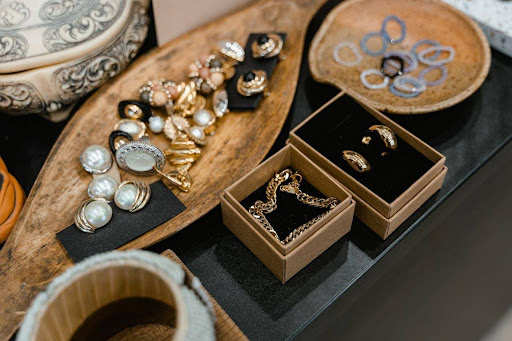
For years, old jewellery sat tucked away in drawers, seen more as sentimental keepsakes than financial assets. That perspective is changing. As living costs rise and households look for flexible ways to manage cash flow, people are reassessing what they already own. Jewellery, especially pieces made from gold, silver, or platinum, offers a surprisingly accessible way to unlock value without taking on debt or committing to long-term financial products.
The Rise of a Ready Market
What makes this trend more viable today is the accessibility of reputable gold buyers. Whether through local storefronts or online platforms, sellers now have multiple options to evaluate and convert unused jewellery into cash. Many services provide transparent pricing based on real-time market rates, which gives sellers a clearer understanding of what their items are worth. This level of visibility has reduced hesitation and made the process feel more like a financial transaction than a gamble.
Why Old Jewellery Holds Real Value
Unlike many household items that depreciate quickly, precious metals tend to retain intrinsic value. Gold, in particular, is tied to global commodity markets, meaning its price reflects broader economic conditions and not just personal usage. Even broken chains, single earrings, or outdated designs can carry weight-based value. This shifts the conversation away from looks and toward material worth, making it easier for people to part with items they no longer wear.
Another factor is purity. Jewellery stamped with karat markings, such as 10K, 14K, or 18K, indicates how much pure gold is present. Higher purity typically translates to higher payouts, but even lower-karat pieces contribute to the overall value when sold in bulk. For many households, this adds up faster than expected.
A Practical Alternative to Borrowing
In tighter financial periods, people often look for quick liquidity. Traditional options like credit cards or personal loans come with interest and repayments. Selling old jewellery provides immediate funds without adding liabilities to a balance sheet. This is particularly appealing for coveringIs Your Financial Strategy Working short-term expenses, managing unexpected bills, or simply creating breathing room in a monthly budget.
There is also a psychological advantage. Turning unused items into cash feels more controlled than borrowing. It allows individuals to leverage what they already own rather than relying on external credit. That sense of agency is a big part of why this trend continues to gain traction.
What Sellers Are Paying Attention To
Today’s sellers are comparing quotes, checking current gold prices, and understanding how weight and purity affect offers. Many are also choosing to remove gemstones before selling, as most buyers focus primarily on metal content. Documentation, like original receipts or appraisals, can sometimes help, but they are not always necessary.
Timing also plays a role. When gold prices rise, interest in selling increases. Some individuals even treat it as a strategic decision, waiting for favourable market conditions before cashing in.
A Meaningful Financial Strategy
Selling old jewellery is becoming a deliberate financial move that fits into a broader mindset of resourcefulness. As more people look inward at what they already own, overlooked assets are gaining new value.
In a time where financial flexibility matters more than ever, the ability to convert something idle into something useful is powerful. Old jewellery may not solve every financial challenge, but it offers a practical, immediate option that many are now recognizing as part of a smarter approach to money.




Be First to Comment